Guide
Photographing the Sicilian landscape
The light that makes the island recognisable does not last long, and it is not the light of midday. When to go and what to look for, area by area.
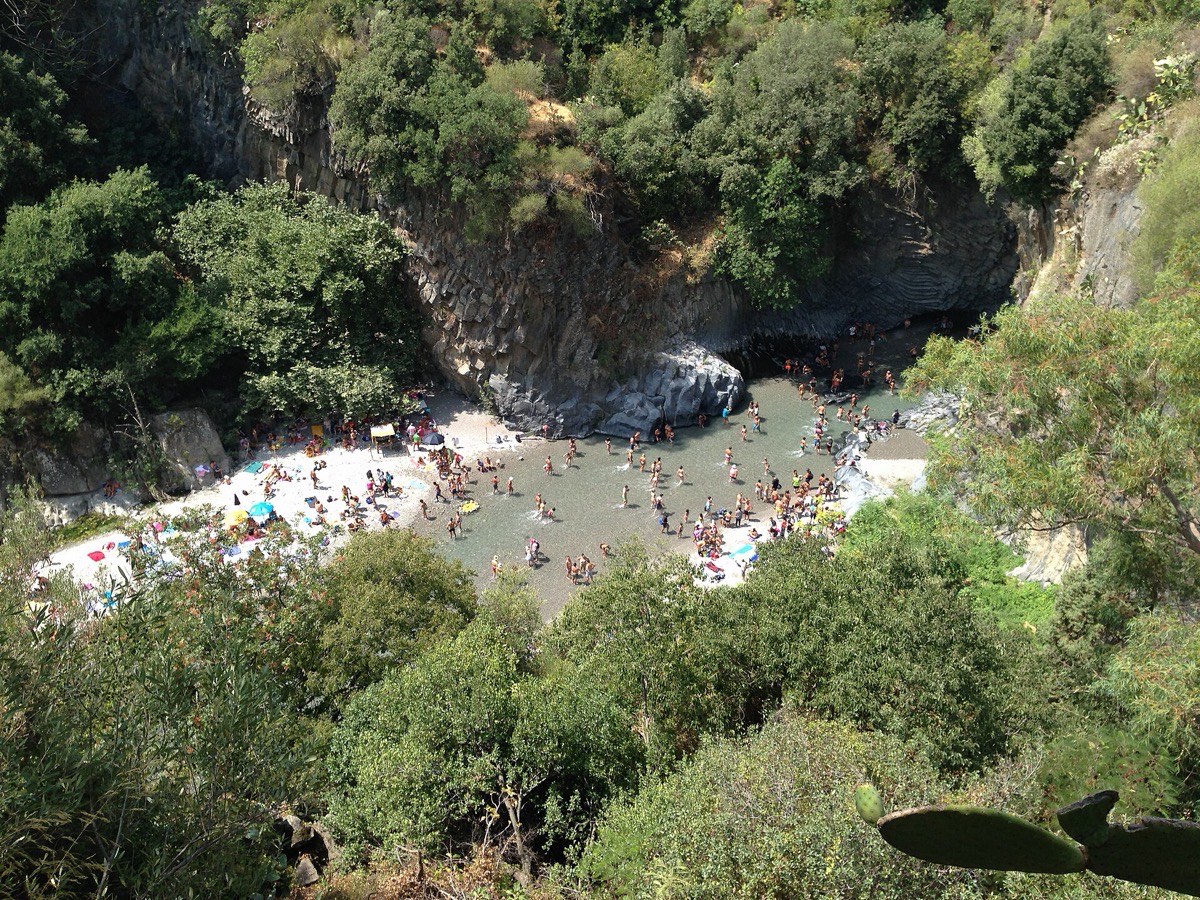
There is a technical reason why the Sicilian photographs in circulation all look alike and look flat: they are taken at midday, when the sun is high and the white limestone burns out the highlights.
The contrast problem
Sicily has strong sunlight and pale surfaces. At midday the difference between lit limestone and shadow is greater than a sensor records: either you lose the detail in the rock or you block up the sky.
The answer is not technical, it is a matter of the hour.
What are the two windows of light?
The first light is best on the coasts that face east, the south-eastern Iblei and the eastern flank of Etna. Raking light draws the structure of the rock instead of flattening it.
The last hour works on the western coasts, from the Trapani area to Palermo, where the sun goes down over the sea.
In both cases we are talking about forty minutes, not a morning.
What changes from area to area?
On the limestone coast the subject is the contrast between the white rock and the sea. In low light the white takes on colour; at midday it stays white and nothing more.
On Etna the subject is texture: sand, lava flows, the contrast between black and snow or between black and yellow broom. Here side light counts for more than colour.
In the gorges of the Iblei the light reaches the floor only for a few hours around midday, and this time that is the exception: the dark gorge with the light coming down into it is precisely the subject.
On the Madonie in winter the frequent fog is an advantage, because it separates the planes.
What it means for the logistics
Photographing well means being on the spot at an hour when there is nobody else there, which means walking in the dark either on the way out or on the way back. It has to be allowed for: a head torch is not an accessory, and on linear routes getting back has to be sorted out beforehand.
Frequently asked questions
What is the best hour for photography in Sicily?
First light for the eastern coasts and the east flank of Etna, the last hour for the western coasts. In both cases the useful window is about forty minutes, not a morning.
Why do photographs taken at midday come out flat?
Because pale limestone reflects a great deal and with the sun high the difference between lit rock and shadow is greater than the sensor records. The result is burnt-out rock or a blocked-up sky.
Are the gorges an exception?
Yes. In the gorges of the Iblei and at the Alcantara the light reaches the floor only for a few hours around midday, and that shaft coming down into the dark gorge is precisely the subject.
The notes on light are general photographic observations applied to the actual orientation of the places described in our pages.
Written and checked by the Redazione Sentieri Siciliani. Published on 1 September 2026, updated on 1 September 2026. How we work.
Sources
- Servizio Meteorologico dell’Aeronautica Militare, the Italian Air Force weather service — official weather forecasts
- Parco dell’Etna, the Etna park authority — the park rules, the authorised paths and access to the volcano
Where to go from here
Next step
From the principles to the places
Rules are worth little until they apply to a precise spot. From here you reach the pages with access points, parking and tracks.